

Charak HYPONIDD 50 tabs
Out of Stock
Original price was: 16,70 €.11,12 €Current price is: 11,12 €.
Description
The natural anti-diabetic regulator
- Promotes insulin release by pancreatic islet β-cells.
- Increases the number of insulin receptors by promoting its binding to peripheral tissues.
- It gradually reduces the increased levels of glucose in the blood, relieving symptoms such as thirst, polyphagia, polyuria, feeling of general fatigue.
- Corrects lipid metabolism by ensuring increased protection against cardiovascular disease.
- It protects tissues and organs by preventing their degenerative lesions with its antioxidant agents.
- It contributes positively to the prevention of complications of diabetes such as neuropathies, renal failure, severe vision problems.
- Prevents hypoglycemic effects (dizziness, fainting).
- Promotes a general feeling of well-being.
- Improves quality of life and restores libido.
HYPONIDD in cases of polycystic ovary syndrome (PCOS) improves ovarian function and at the same time several metabolic disorders associated with the insulin response. HYPONIDD reduces the insulin response and corrects the metabolism-reproduction-synthesis axis of steroids.
USEFUL IN:
- Adult type II diabetes (non-insulin dependent)
- As an adjunct treatment with antidiabetic drugs to delay or even prevent the start of insulin therapy.
- As monotherapy in the early stages or in cases that do not respond to diet and exercise.
- Polycystic ovary syndrome.
DOSAGE:
2 tablets twice a day half an hour before meals. In patients already on antidiabetic therapy, two HYPONIDD tablets are initially taken daily. When the desired result is achieved, the dose of the drug is reduced and the dose of HYPONIDD is increased to 4 tablets per day.
Polycystic ovary syndrome: Two tablets 2 times a day. Concomitant use with M-2 TONE is recommended for best results. Do not administer at intervals treated with insulin due to its cumulative action. Regular blood sugar monitoring is recommended. Use is not recommended in cases of juvenile diabetes, ketoacidosis and in the final stage of diabetic complications
Many also buy



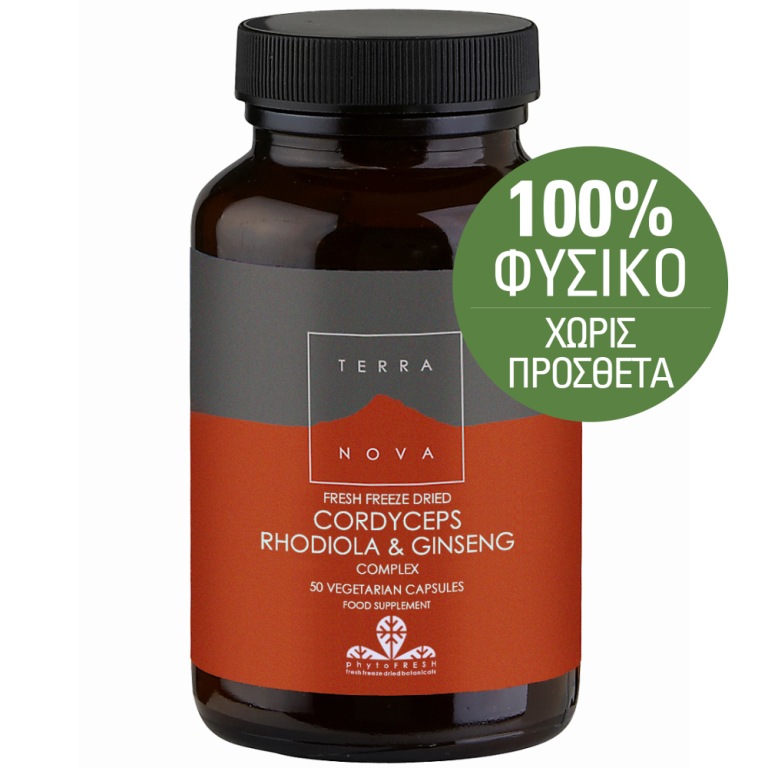
Bionat Cordyceps, Rhodiola & Ginseng 30gr
Original price was: 63,40 €.44,38 €Current price is: 44,38 €.

Bionat Dong Quai female support complex 50 capsules
Original price was: 28,20 €.19,74 €Current price is: 19,74 €.

Power Health Bach Rescue Remedy Spray 20ml
Original price was: 31,90 €.22,33 €Current price is: 22,33 €.

Bionat Quercetin Nettle Complex 50 capsules
Original price was: 35,30 €.24,71 €Current price is: 24,71 €.

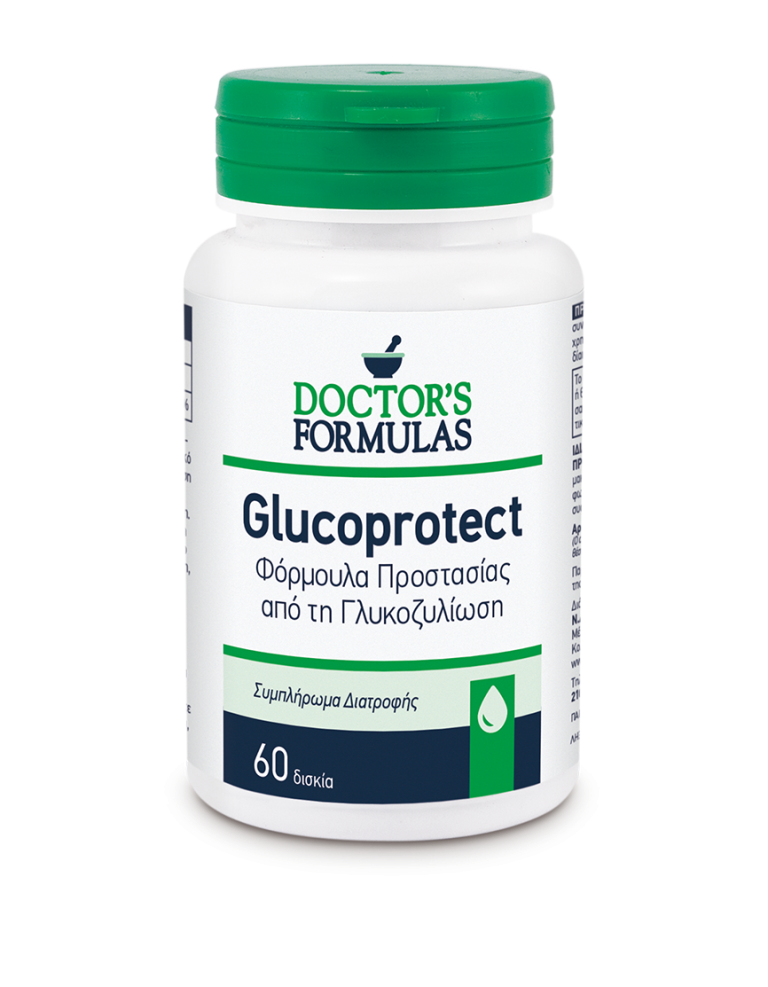
Doctor’s formulas Glucoprotect 60 δισκία
Original price was: 58,00 €.40,60 €Current price is: 40,60 €.